
MLB Betting Overview
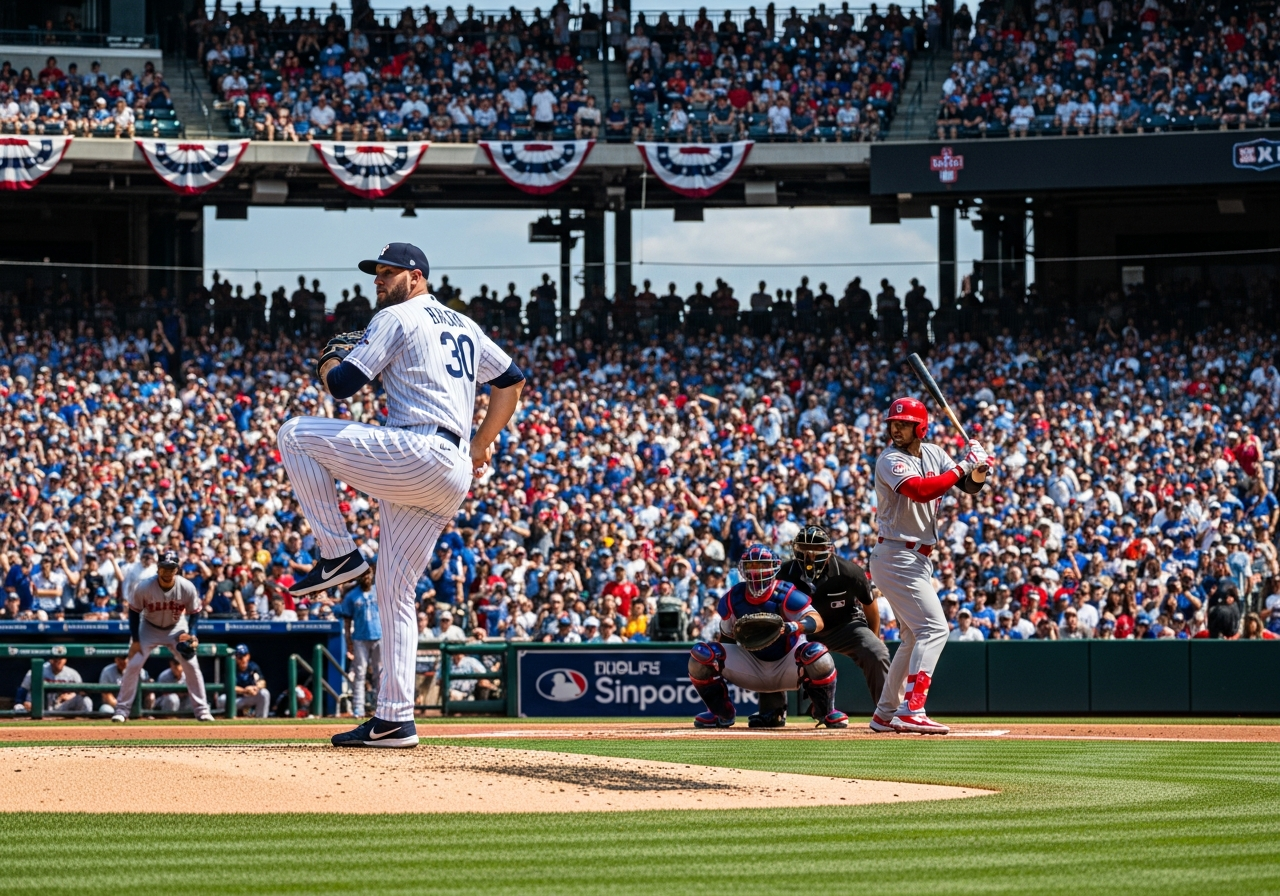
Baseball betting is fundamentally different from football or basketball wagering. The 162-game season creates a marathon mentality where small edges compound over time, and the sport's statistical nature provides abundant data for analysis.
Unlike point-spread dominated sports, MLB betting centers on moneylines. The game-to-game variance in baseball—where even the best teams lose 60+ games annually—means favorites offer less certainty and underdogs win more frequently.
Pitching matchups drive betting lines more than any other factor. A team's odds can shift dramatically based on who's starting, making roster awareness and injury tracking essential for baseball bettors.
MLB Moneylines
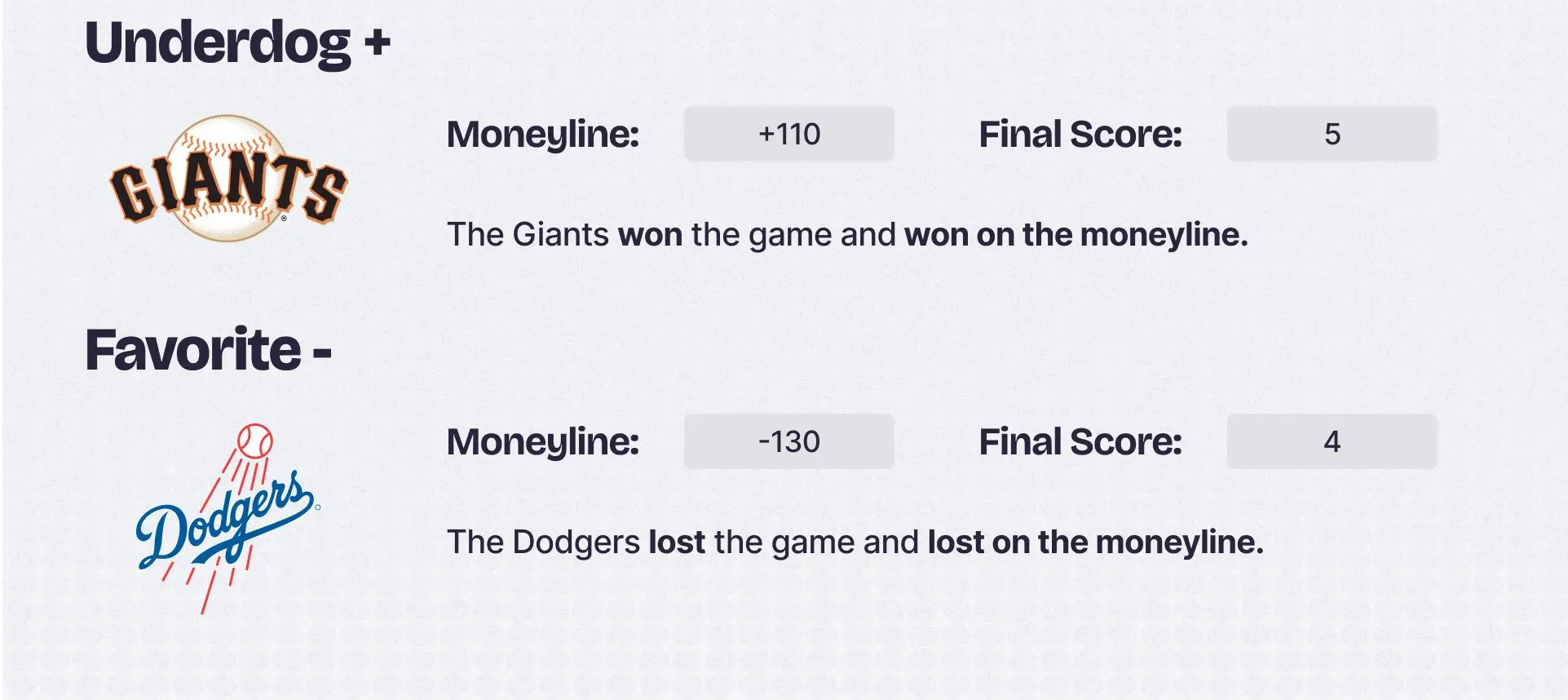
Moneyline betting dominates MLB markets. Rather than point spreads, you're simply picking winners at adjusted odds. Favorites might range from -120 for slight edges to -250 or more for elite pitchers against weak opponents.
The daily grind of baseball creates value opportunities. Teams playing the fourth game of a series, traveling across time zones, or missing key players due to rest days present situations where moneyline odds may not fully reflect reality.
Bankroll management matters more in baseball due to the volume of betting opportunities. With up to 15 games daily during the regular season, disciplined bettors focus on selective, high-value spots rather than blanket coverage.
Run Line Betting
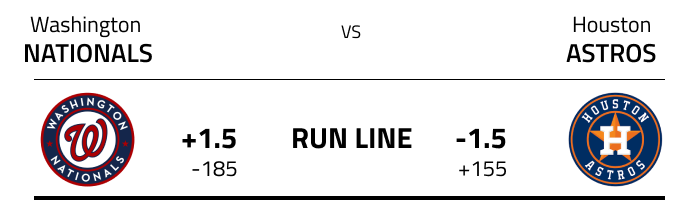
The run line is baseball's equivalent of the point spread, standardized at 1.5 runs. Favorites must win by 2+ goals to cover -1.5, while underdogs can lose by one and still cash +1.5.
Run line pricing varies based on the matchup. A heavy favorite might be -150 on the moneyline but +140 on -1.5 run line. Underdogs at +1.5 are typically priced around -200 or higher.
Understanding when to bet run lines versus moneylines requires analyzing teams' tendencies. Teams that win big or lose close favor different approaches than teams with tight, defensive styles.
MLB Totals
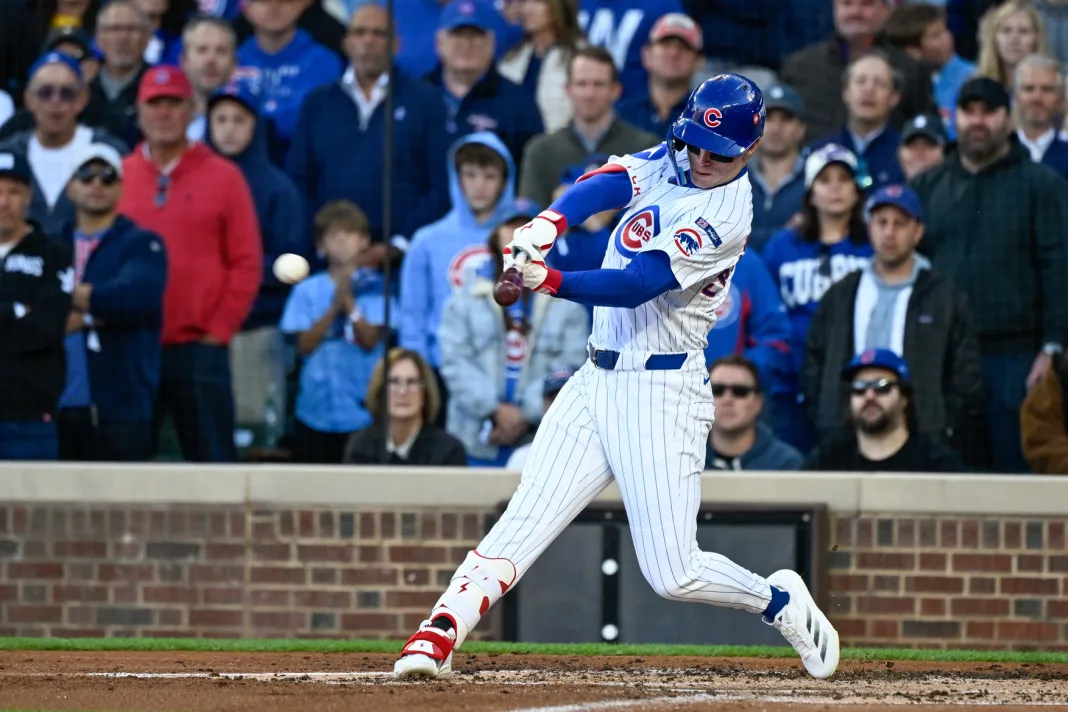
MLB totals center around 8-9 runs for most games. Factors affecting totals include pitching quality, offensive firepower, ballpark factors, and weather conditions.
Ballpark factors significantly impact totals. Coors Field in Denver, with its thin air, inflates offensive numbers, while pitcher-friendly parks like Oracle Park suppress scoring. Home/away splits by venue matter tremendously.
Wind direction and temperature affect ball flight. Warm, humid days with wind blowing out favor hitters, while cold weather and wind blowing in help pitchers. Experienced bettors track these conditions religiously.
MLB Player Props
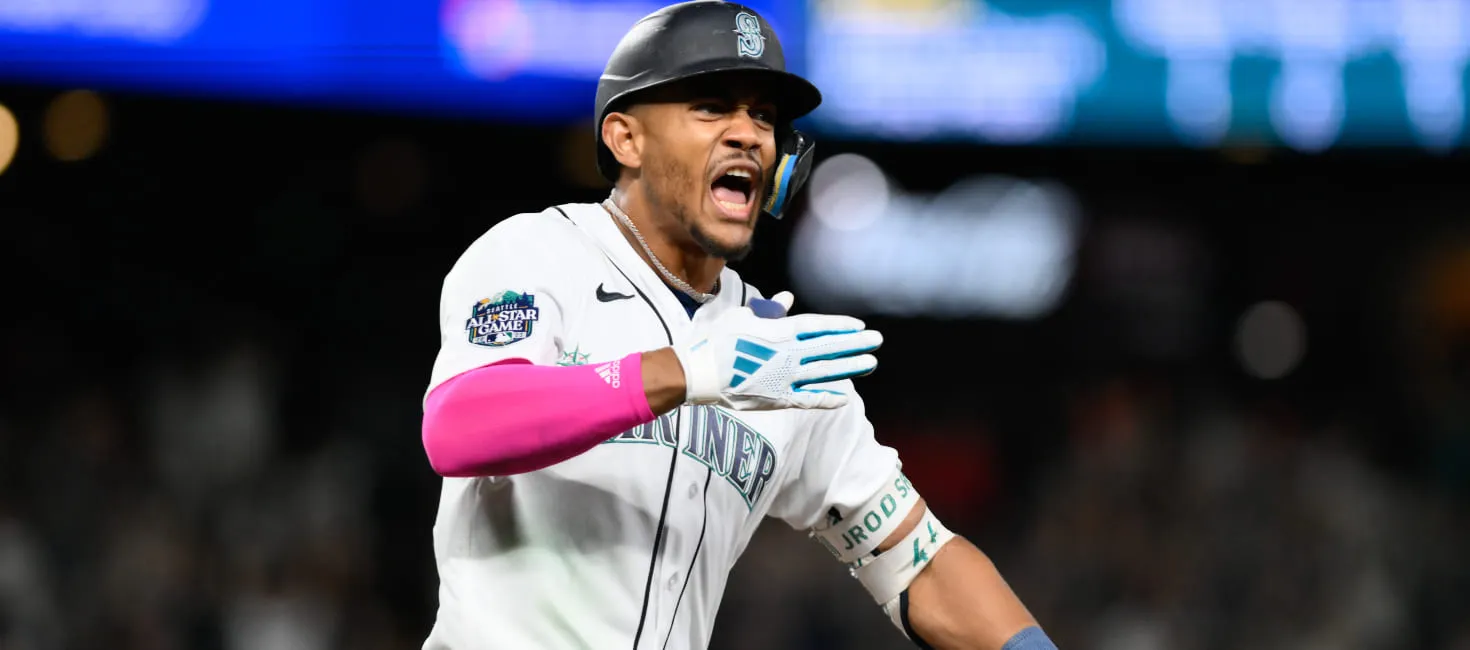
Baseball props cover extensive statistical categories. Batter props include hits, runs, RBIs, and total bases. Pitcher props focus on strikeouts, outs recorded, and earned runs allowed. These markets offer granular betting opportunities.
Platoon advantages—how batters perform against left-handed vs. right-handed pitchers—create prop value. A right-handed slugger facing a struggling southpaw might offer value on over total bases despite modest overall statistics.
Strikeout props correlate with game environment. High-strikeout pitchers facing aggressive, free-swinging lineups create obvious over opportunities, while contact-oriented teams against sinkerball pitchers tend toward unders.
First Five Innings Betting
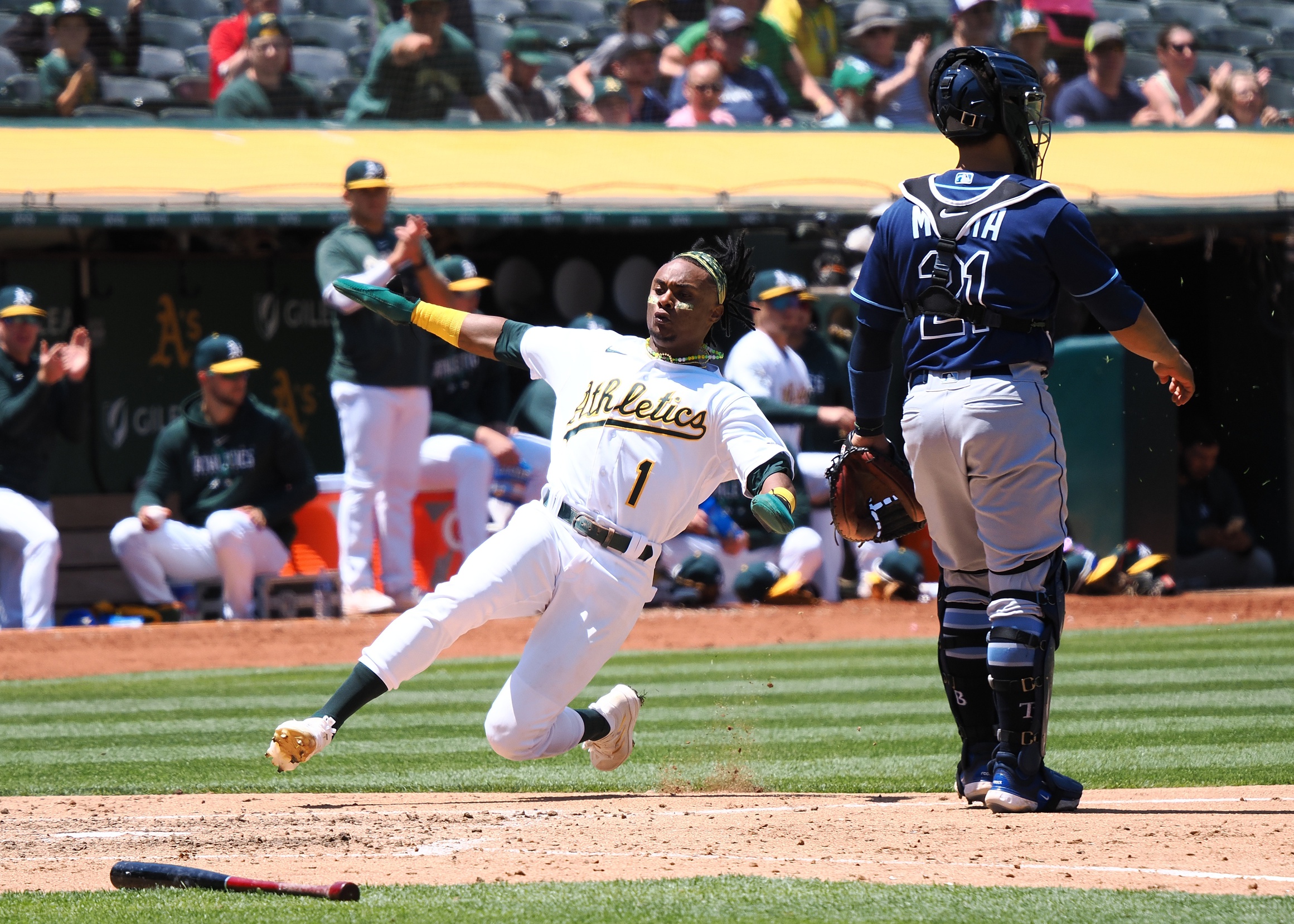
First five innings (F5) betting removes bullpen variance from the equation. You're betting only on the game through five complete innings, typically with the starting pitchers involved throughout.
F5 bets are popular among bettors who trust their pitching analysis but worry about bullpen reliability. If you've identified a strong starting pitching edge, F5 lets you isolate that advantage without bullpen risk.
F5 totals follow different patterns than full-game totals. Early innings often see more cautious approaches from lineups still adjusting to the starting pitcher, potentially favoring under bets in certain matchups.
MLB Futures

MLB futures span the entire season with World Series champions, league pennants, division titles, and individual awards all available for betting. The long season provides ample time for storylines to develop.
Win total bets set over/under lines for regular season victories. Projecting 162 games requires accounting for roster depth, schedule difficulty, and regression expectations from previous seasons.
The playoff format—wild card games, division series, championship series, and World Series—creates multiple layers of futures opportunities. Teams with strong pitching often overperform their regular season records in October.
Pitching Analysis

Starting pitching is the single most important factor in MLB betting. A team's odds can swing significantly—sometimes 50+ cents on the moneyline—based on who takes the mound. Deep pitching analysis is non-negotiable.
Key pitching metrics include ERA, FIP (Fielding Independent Pitching), WHIP, strikeout rate, and walk rate. Advanced metrics like expected ERA (xERA) and hard-hit rate help identify pitchers due for regression in either direction.
Rest and workload matter. Pitchers on short rest, following heavy workloads, or returning from injury often underperform. Tracking pitch counts and bullpen usage provides edges the betting market sometimes misses.
MLB Betting Strategies

Successful baseball betting requires volume and patience. The day-to-day variance is high, but small edges compound over 162 games. Focus on long-term profitability rather than daily results.
Contrarian approaches often work in baseball. Public bettors chase winning streaks and overreact to recent performance, creating value on teams coming off losses or perceived slumps.
Specialization helps—focus on specific teams, divisions, or bet types where you can develop genuine expertise. The depth of MLB markets makes comprehensive coverage impractical for individual bettors.