
NFL Betting Overview
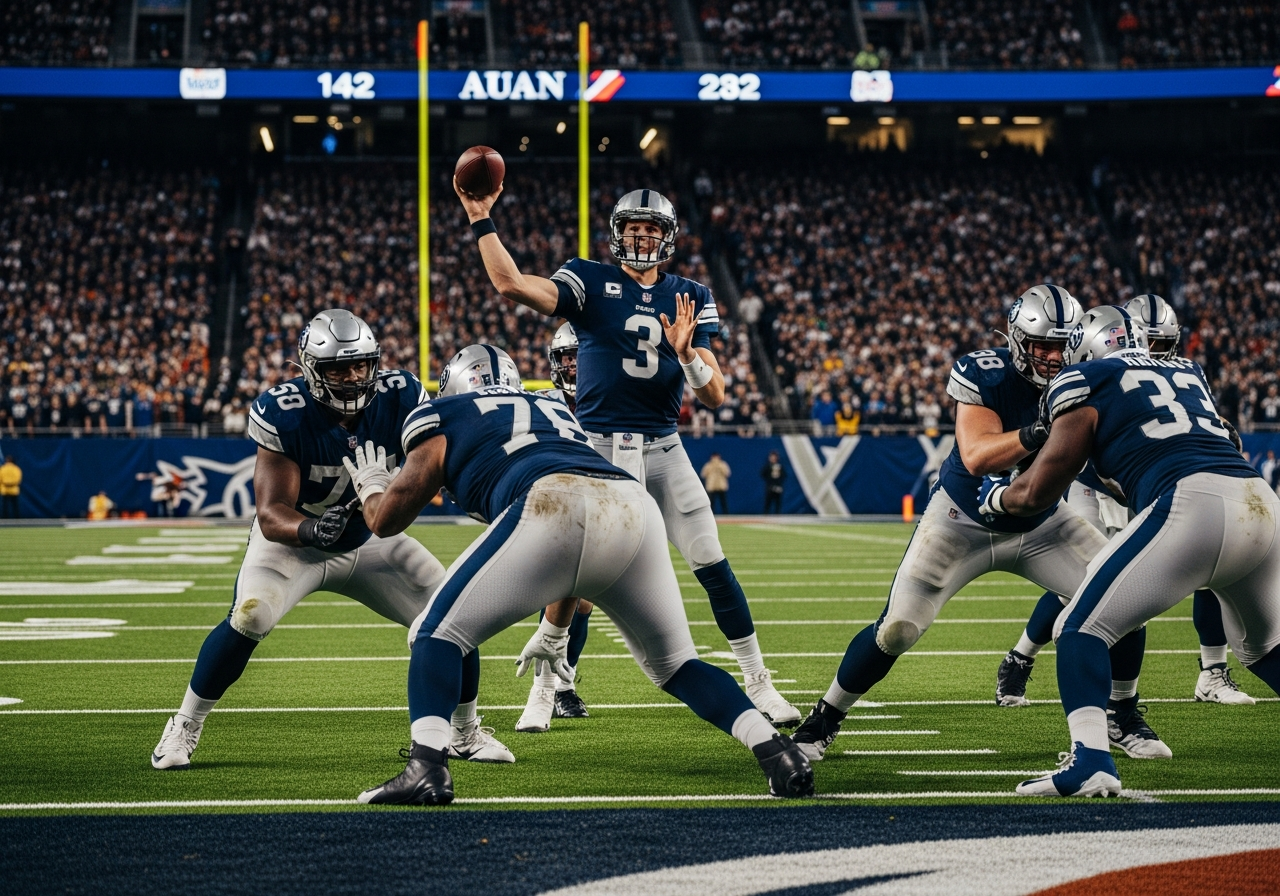
The National Football League is the most popular sport for betting in America. With only 17 regular season games per team, each matchup carries significant weight, creating intense interest from bettors nationwide. The combination of star power, strategic complexity, and weekly drama makes NFL betting both exciting and challenging.
NFL betting markets are among the most efficient in sports, meaning sharp lines and limited opportunities for casual bettors to find easy edges. However, the depth of available statistics, injury information, and analytical tools gives dedicated researchers legitimate chances to find value.
The weekly schedule concentrates action into primarily Sunday afternoons, with Thursday night, Sunday night, and Monday night games providing prime-time opportunities throughout the season.
NFL Point Spreads
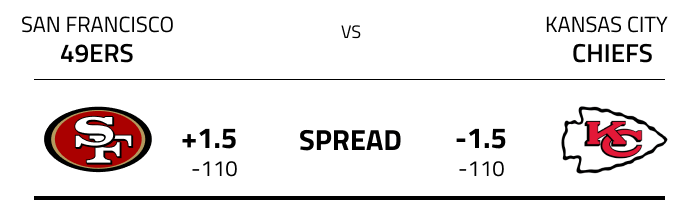
Point spread betting dominates NFL wagering. Spreads in professional football typically range from pick'em games to double-digit favorites, with most games falling in the 2.5 to 7-point range. Understanding how spreads are set and what moves them is essential.
Key factors affecting NFL spreads include home-field advantage (typically worth about 2.5-3 points), injuries to key players (especially quarterbacks), travel distance, rest days, and recent performance trends. Weather can significantly impact outdoor games, particularly for passing-heavy offenses.
The NFL's competitive balance means upsets are common. Underdogs cover the spread roughly 50% of the time historically, making spread betting a viable long-term approach when you can identify mispriced games.
NFL Moneylines
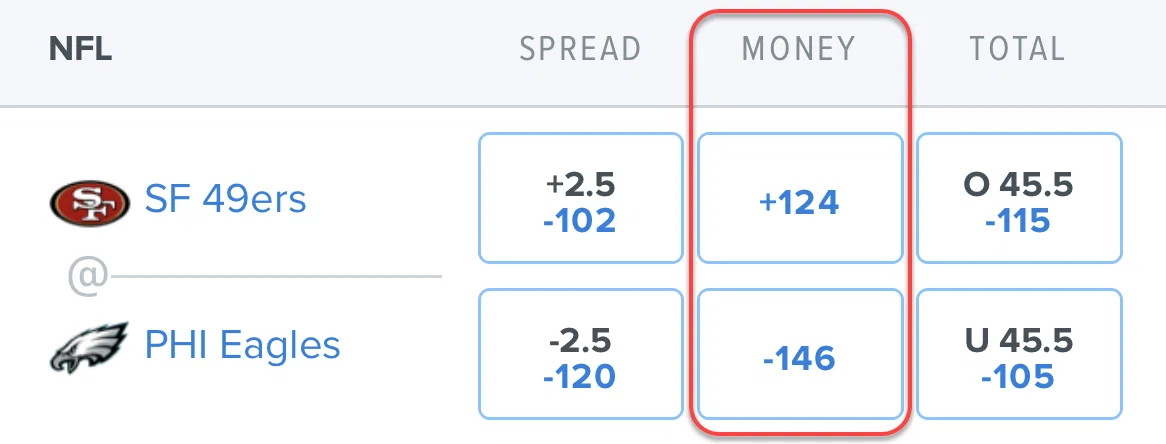
Moneyline betting in the NFL offers straightforward action: pick the winner. Unlike spread betting, you don't need to worry about margin of victory. This simplicity comes with a trade-off—favorites can be expensive, and underdogs need to actually win.
NFL moneylines vary widely. A slight favorite might be -130, while a dominant team against a weak opponent could reach -400 or beyond. Underdogs range from small plus-money (+110) to significant long shots (+350 or more).
Strategic use of moneylines involves identifying games where you're confident in the winner but uncertain about the margin. If a team wins by one point, you still cash a moneyline bet—something spread bettors can't say.
NFL Totals (Over/Under)
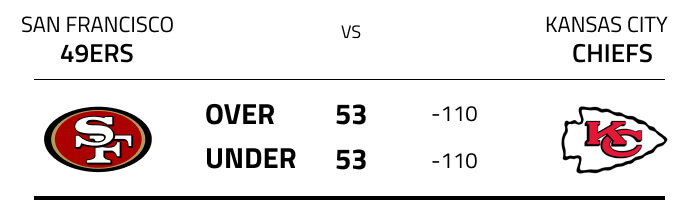
NFL totals betting focuses on combined scoring. Modern offenses have pushed totals higher, with many games in the 45-50 point range. However, defensive matchups, weather conditions, and pace of play create variance that smart bettors can exploit.
Weather is particularly impactful for totals in outdoor stadiums. Wind affects passing games, while extreme cold or precipitation can suppress scoring. Dome games remove weather variables but often favor higher-scoring offenses.
Divisional matchups often play differently than the stats suggest—teams that face each other twice annually develop familiarity that can lead to defensive struggles or, conversely, offensive shootouts depending on the specific rivalry dynamics.
NFL Player Props
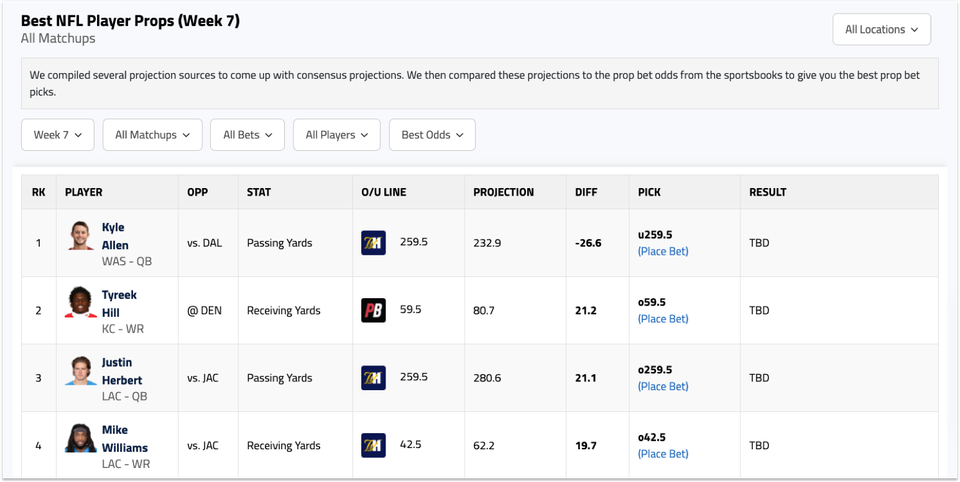
Player props have exploded in popularity for NFL betting. Quarterback props (passing yards, touchdowns, completions), running back props (rushing yards, receptions), and receiver props (receiving yards, receptions) offer extensive markets every week.
Successful prop betting requires understanding matchup dynamics at a granular level. How does this cornerback perform against physical receivers? Does this defense struggle against receiving running backs? These specific questions can reveal value in prop markets.
Same-game parlays combining multiple props from a single game have become extremely popular. Correlating props (like a quarterback's passing yards with a receiver's receiving yards) can provide better value than random combinations.
NFL Parlays
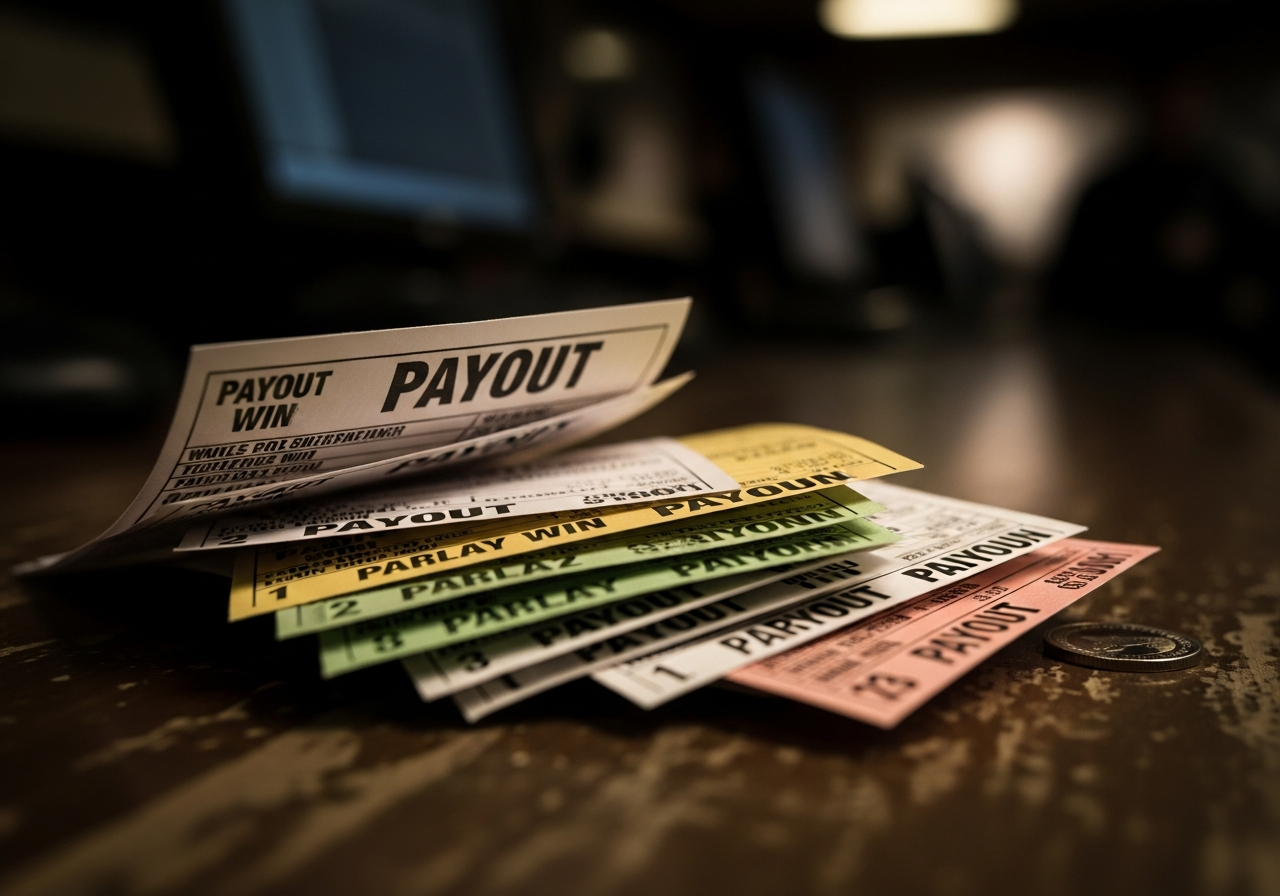
NFL parlays allow you to combine multiple bets for enhanced payouts. The weekly nature of football makes parlays particularly appealing—you can build tickets across the Sunday slate and track multiple games simultaneously.
Smart parlay construction focuses on correlation. Betting a team's spread with the game's under, for example, makes logical sense—if your team covers by controlling the game, a lower total is more likely. Random combinations of unrelated spreads offer worse mathematical expectation.
While large parlays (5+ legs) offer enticing payouts, the math works against them. More selective 2-3 leg parlays on games where you have genuine conviction provide better long-term prospects.
NFL Futures
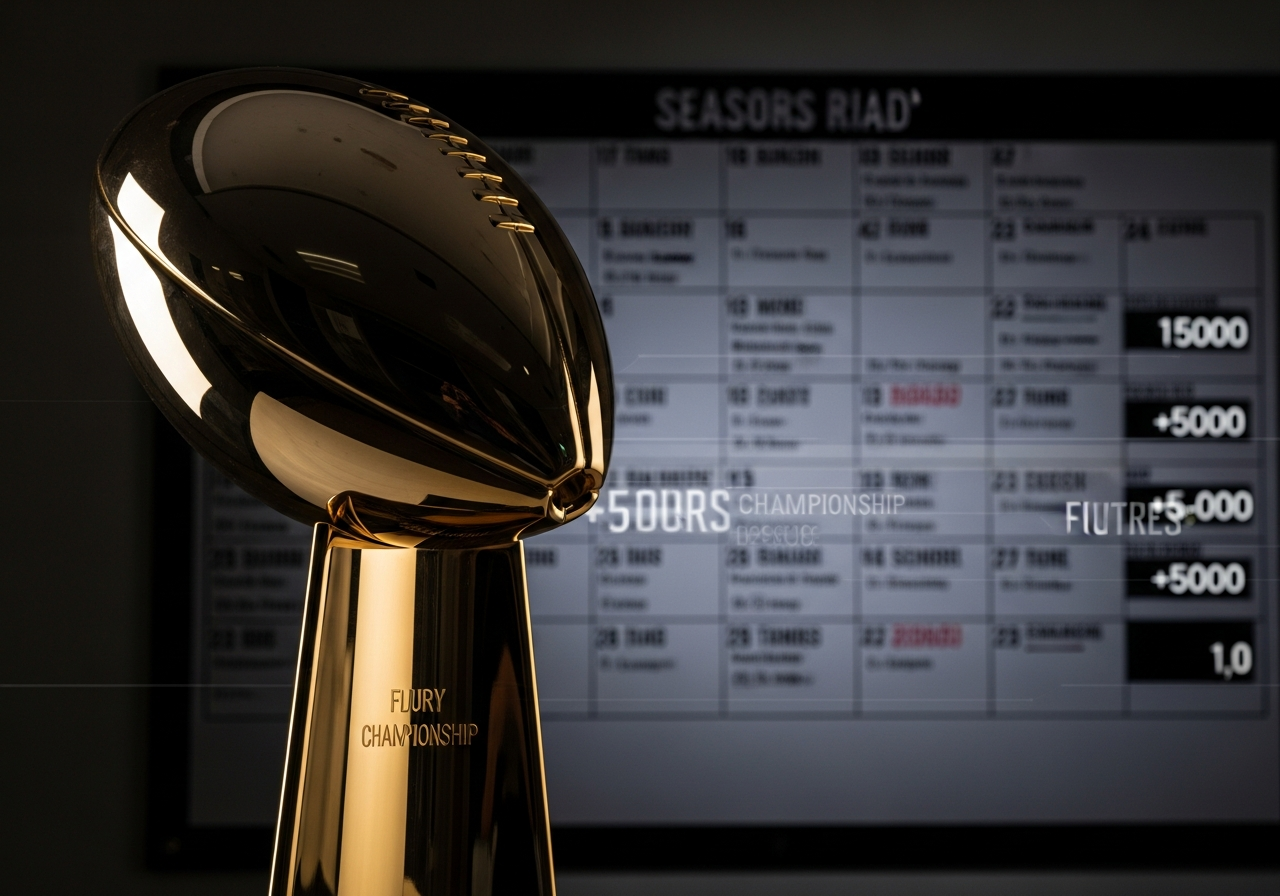
NFL futures betting spans the entire season and beyond. Super Bowl champion futures open immediately after each championship, with odds adjusting throughout the offseason based on free agency, the draft, and preseason performance.
Division winner and conference winner futures offer shorter-term options with better probability than championship outright bets. Player award futures (MVP, Offensive Player of the Year, etc.) provide additional markets for those with strong opinions on individual performance.
Win total bets set lines for regular season victories. These require projecting a team's record 17 games out and can offer excellent value when you identify teams likely to significantly over or underperform expectations.
Live NFL Betting
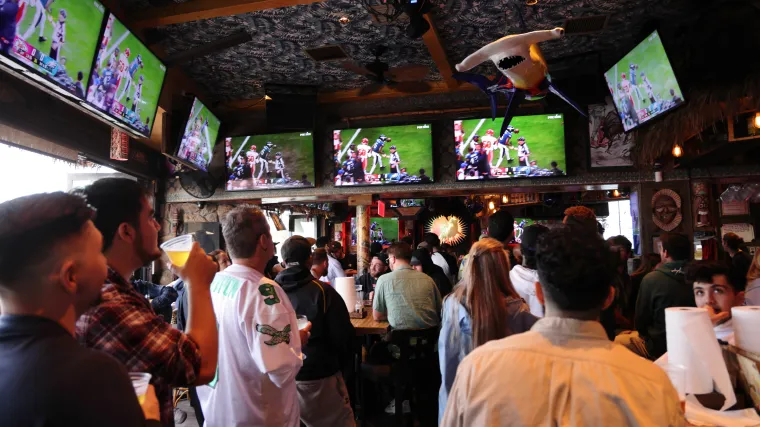
Live betting during NFL games offers unique opportunities. Momentum swings, injuries, and game flow create constantly shifting odds that observant bettors can exploit. The ability to bet during commercial breaks and between plays makes NFL live betting particularly accessible.
Key live betting situations include backing teams that fall behind early but have strong second-half track records, fading teams with unsustainable first-quarter success, and capitalizing on in-game injuries before the market fully adjusts.
The structured nature of football—with distinct drives and scoring opportunities—makes live totals particularly interesting. If a game starts slow but both offenses look capable, over bets at adjusted totals can offer value.
NFL Betting Strategies

Successful NFL betting requires systematic approaches. Key strategies include focusing on specific bet types (spreads vs. totals vs. props), specializing in certain team situations (favorites, underdogs, home/away), and developing consistent handicapping processes.
Line movement analysis can reveal sharp action. When a line moves significantly without obvious news, professional bettors may have found value. Understanding when to bet early (for best numbers) versus late (for maximum information) is a crucial skill.
Bankroll management is especially important given the NFL's limited schedule. With only 16-17 betting weeks per season, variance can significantly impact results. Consistent unit sizing and avoiding emotional decisions after tough losses protect your long-term prospects.
Key Numbers in NFL
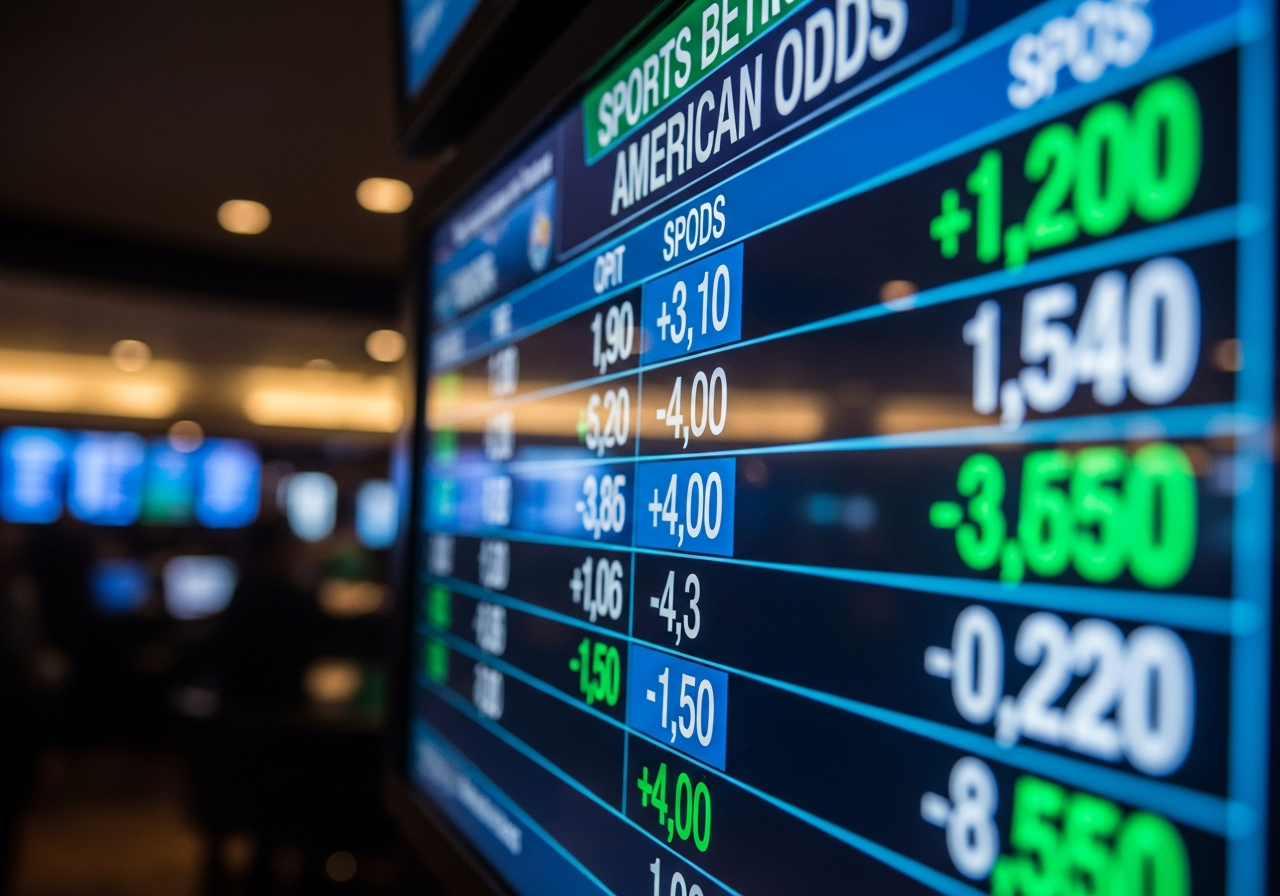
Certain final score margins occur more frequently in NFL games due to the scoring structure. The most important key numbers are 3, 7, and 10—margins that align with field goals and touchdowns.
Approximately 15% of NFL games are decided by exactly 3 points, making the difference between getting +3 and +2.5 (or -3 vs. -3.5) significant. Similarly, 7-point margins are common, and 10-point spreads (field goal plus touchdown) matter as well.
Understanding key numbers helps with line shopping—paying extra juice for a half-point through 3 or 7 can be mathematically justified, while half-points through non-key numbers matter less. This knowledge also informs live betting decisions as games approach these margins.